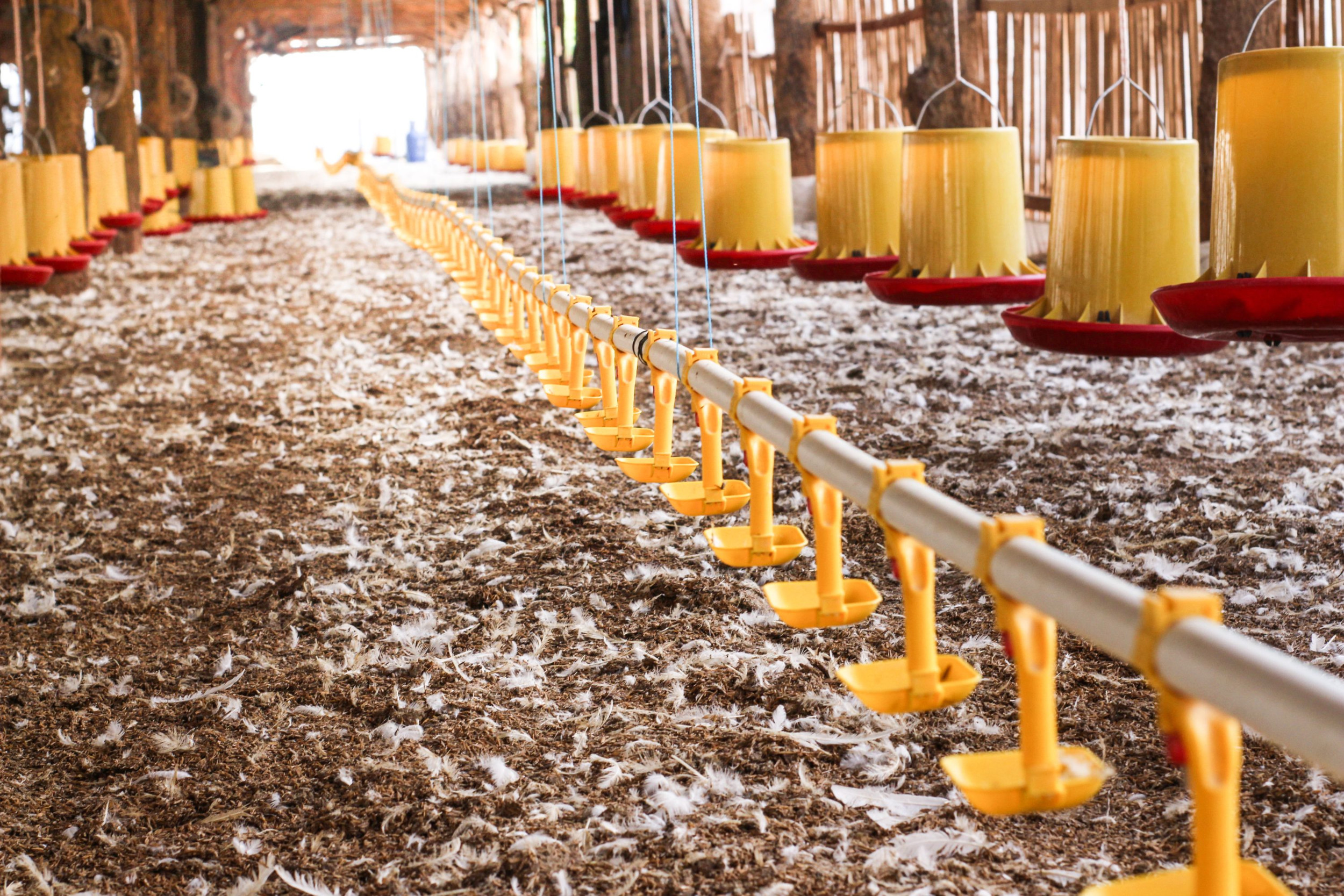
In a striking example of sustainable innovation, a bioenergy plant in the Netherlands is transforming poultry manure into electricity, demonstrating how agricultural waste can be harnessed to power modern communities.
The facility processes large volumes of chicken waste sourced from nearby farms and converts it into renewable energy—supplying electricity to approximately 70,000 households. This approach not only addresses waste management challenges but also contributes to cleaner energy production.
- UN moves to ensure clean energy in Nigeria
- Renewable energy sources overtake fossil fuels in electricity generation in Europe
By using poultry manure as fuel, the plant significantly reduces the environmental risks associated with traditional waste disposal methods, particularly methane emissions from manure storage. The process also produces ash, which can be repurposed as fertilizer, further supporting sustainable agricultural practices.
Agro Climate News reports that key highlights of the initiative include utilizes poultry manure as a renewable energy source, generates electricity for about 70,000 homes, helps reduce agricultural waste disposal challenges, cuts methane emissions and supports climate action and produces reusable by-products for farming as well as strengthens circular economy practices in agriculture
The initiative underscores the growing potential of waste-to-energy solutions in bridging agriculture and clean energy—offering a model that other countries, including Nigeria, could explore in addressing both energy and environmental challenges.