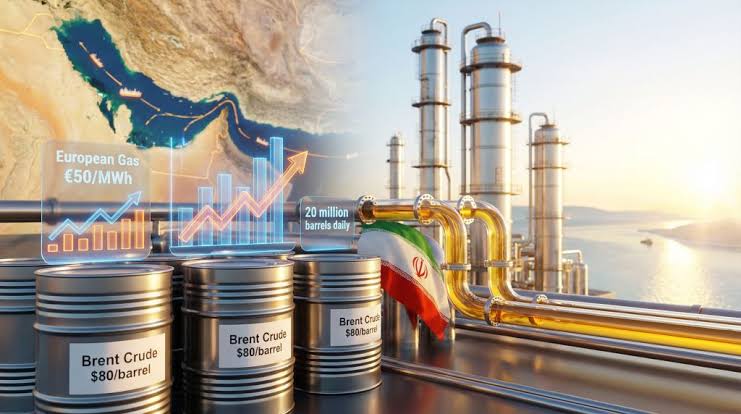
A new analysis by 350.org has revealed that more than $100 billion has been transferred from consumers and businesses to oil and gas companies within the first month of the ongoing Iran war, as global energy prices continue to spike.
The report estimates that soaring oil and gas costs have imposed an additional $104.2 billion to $111.6 billion burden on households and industries worldwide, exposing the economic risks tied to heavy reliance on fossil fuels.
- Kano gets 41 CNG Conversion Centres as FG expands programme
- Nigeria must turn gas potential into prosperity – Ekpo
Beyond the devastating human toll of the conflict, the analysis highlights how volatile energy markets are amplifying financial pressure across economies. The impacts are already being felt globally—from factory layoffs in Bangladesh’s textile sector to fuel rationing in Kenya, while concerns mount over a potential economic slowdown in the United States.
According to 350.org, the figures were derived using weighted averages of oil and gas prices during the first month of the conflict, combined with global consumption data and adjustments for reduced demand and supply disruptions.
However, the organisation warns that the estimates likely understate the full scale of the crisis, as they do not yet account for secondary effects such as rising fertiliser and food prices, inflationary pressures, job losses, and broader declines in economic productivity.
The report underscores the opportunity cost of fossil fuel dependence, noting that the $111 billion lost to higher energy prices could have been channelled into renewable energy. Such an investment, it said, could generate enough solar power to supply 40 million households in high-energy-consuming countries, or up to 150 million households in lower-consumption regions.
The figure is also comparable to the current annual global climate finance commitments made by developed nations to support developing countries under international climate agreements.
Chief Executive of 350.org, Anne Jellema, said the crisis demonstrates the urgent need for policy reforms to shield vulnerable populations.
She noted that while fossil fuel companies continue to benefit from rising prices, millions of households are struggling to cope with the increasing cost of energy and basic necessities.
The organisation is therefore calling on governments to introduce windfall taxes on fossil fuel profits, with proceeds redirected to support households and accelerate the transition to clean energy.
Looking ahead, global leaders are expected to convene in Colombia to deliberate on pathways to phase out fossil fuels. 350.org is urging policymakers to adopt binding commitments to reduce dependence on oil, gas, and coal, while scaling up investments in renewable energy systems.
It also advocates for stronger international cooperation through initiatives such as a proposed Fossil Fuel Non-Proliferation Treaty, aimed at managing a global transition toward sustainable energy.
The group maintains that expanding access to renewable solutions—including rooftop solar, community energy systems, and electric vehicles—remains the most viable strategy for stabilising energy prices, enhancing energy security, and protecting economies from future shocks.