


By Adam Said Adam, Kano
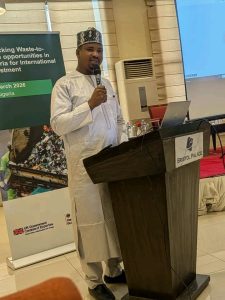
Efforts to reposition waste as an economic and environmental asset gained fresh momentum in Kano as stakeholders converged for a two-day workshop on “Unlocking Waste-to-Value Opportunities in Nigeria,” held at Bristol Palace Hotel.
The workshop, which brought together policymakers, environmental experts, and private sector actors, underscored the growing recognition of waste management as a critical pillar in addressing climate change, urban pollution, and unemployment.
- WAPAN launches modern waste management company in Kano
- Kano govt nears completion of industrial wastewater treatment plants
Representing the Managing Director of Kano State Refuse Management and Sanitation Board, Dr. Muhammad S. Khalil, Umar Dahiru described the forum as timely, noting that innovative approaches such as the Plastic Recycling and Energy Project (PREP) are opening new pathways for economic diversification and environmental protection.
According to him, “the transition from traditional waste disposal to resource recovery is no longer optional but necessary,” adding that the workshop provided a platform to align stakeholders around practical, scalable solutions.
Kano State’s evolving waste management strategy, driven by the Kano State Government under Governor Abba Kabir Yusuf, featured prominently in discussions. The state is currently exploring a range of interventions aimed at embedding circular economy principles into its sanitation framework.
Key among these is the proposed establishment of a Recycling Village designed to serve as a hub for sorting, processing, and converting waste into reusable materials. Complementing this is the introduction of school-based Waste Banks—an initiative targeting behavioural change among young people by incentivizing waste collection and recycling.
In a bid to ensure inclusivity, the government is also rolling out women-focused empowerment programmes within the waste value chain, recognizing the role of women in community-level environmental management and informal recycling systems.
Environmental experts at the workshop stressed that waste-to-value systems hold significant promise for climate mitigation by reducing landfill emissions and promoting cleaner production systems. They also noted that Nigeria’s rapidly growing urban population makes the transition to sustainable waste management both urgent and inevitable.
REMASAB reaffirmed its commitment to leading this transition in Kano, emphasizing partnerships, innovation, and policy support as key enablers. The agency noted that unlocking the full potential of waste will depend on sustained investment in infrastructure, regulatory backing, and public awareness.
Participants collectively called for stronger institutional frameworks and increased private sector participation to scale waste-to-value initiatives across Nigeria. With rising environmental pressures and economic demands, they agreed that transforming waste into wealth offers a practical pathway toward sustainable development.



[…] Kano advances waste-to-value agenda as sustainability drive gains momentum […]