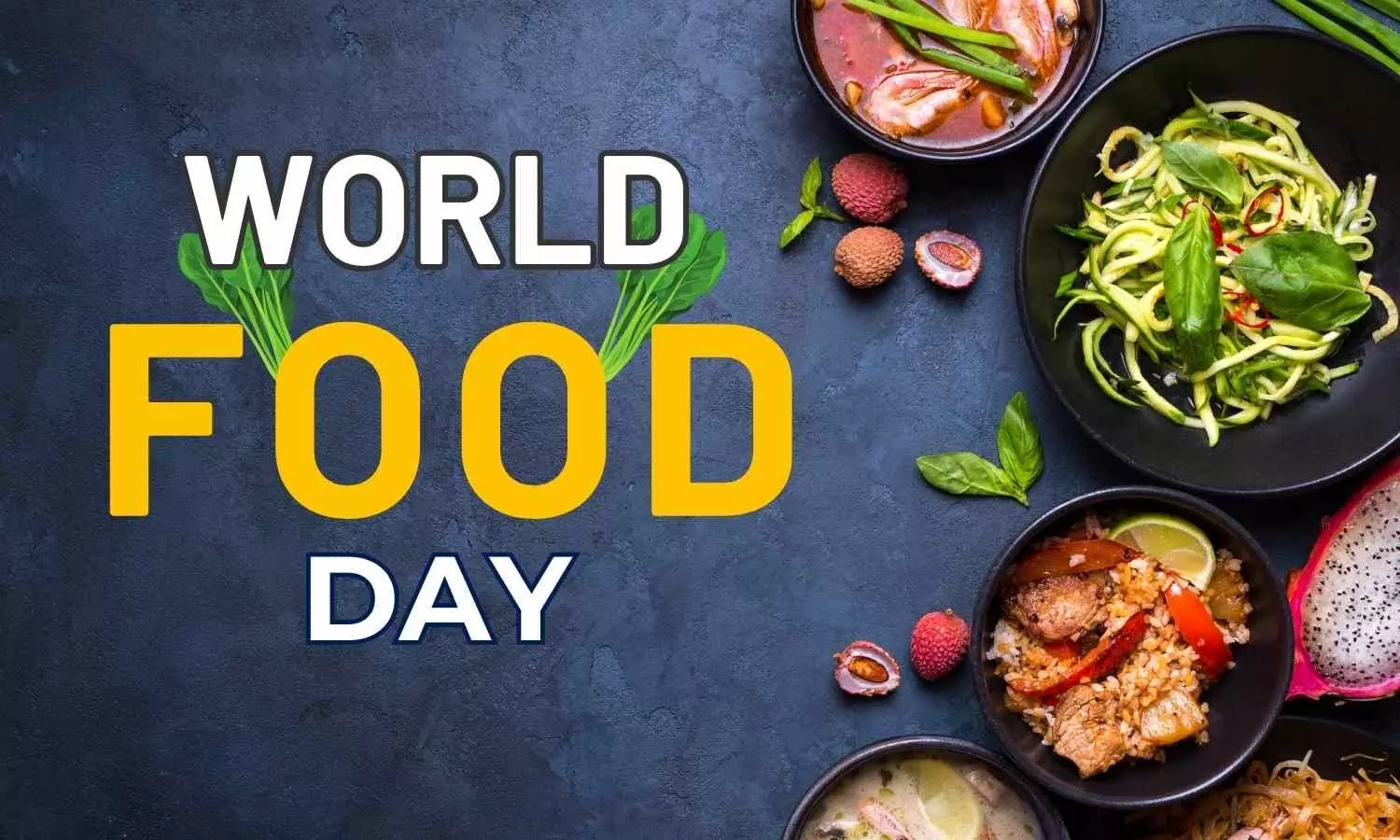
Every year on October 16, the world celebrates World Food Day to remind everyone that food is life — and that no one should go hungry. This year’s theme, “Water is Life, Water is Food — Leave No One Behind”, comes at a time when Nigeria is still struggling to produce enough food and make it affordable for all.
Food Security Still a Big Concern
In Nigeria, millions of families still face food shortages. According to the FAO and World Food Programme, about 30 million Nigerians are expected to experience food insecurity between June and August 2025. That means millions may not have enough to eat or may rely on less nutritious food.
Read Also: EDITORIAL: Rising Cost of Farm Inputs Amid Falling Food Prices – A Threat to Nigeria’s Food Security
In some parts of the North, especially where insecurity and drought have affected farming, food prices have risen sharply. The National Bureau of Statistics (NBS) recently reported that more than 20% of households said they had to borrow food or depend on neighbours to eat. Many families can no longer afford their preferred meals.
Nigeria Produces More, But Not Enough
Despite these challenges, there are signs of progress. Reports from the National Agricultural Extension and Research Liaison Services (NAERLS) show that Nigeria’s total food production increased slightly in 2025 — from 9.1 million metric tonnes in 2024 to 9.4 million this year. This growth came mainly from maize, rice, and yam production, supported by better rainfall and increased cultivation.
Also, the food market in Nigeria continues to grow. Analysts project that the country’s food and agriculture market could reach over $230 billion in 2025. This shows that agriculture remains one of Nigeria’s strongest sectors — with huge potential for jobs, trade, and inninnovation.
Read Also: Food Security: FG directs immediate disbursement of N250bn loan to farmers
Even food inflation has started to slow. According to Reuters, Nigeria’s inflation rate dropped to 18.02% in September 2025, with food prices easing slightly to 16.87%. This is a small relief for many families after years of rising costs.
Why Food Still Costs So Much
The high cost of farming remains one of the biggest problems. Fertilizers, fuel, and seeds are now more expensive. A report by The Guardian said the cost of producing maize and soybeans rose by more than 30% this year. Poor roads, post-harvest losses, and middlemen also make food more expensive by the time it reaches the market.
Climate change adds to the challenge. Floods, droughts, and heat waves are destroying crops and livestock. In 2022 and 2023, floods wiped out large farmlands across northern and central states, leaving thousands of farmers stranded. Without better planning and protection, such disasters will continue to affect food production.
The Way Forward
To make sure every Nigerian has access to safe and affordable food, government and stakeholders must act together:
Support small farmers — give them better access to seeds, fertilizers, training, and low-interest loans.
Fix rural roads and storage facilities — so food can move easily from farms to markets without waste.
Invest in local processing and value addition — to reduce post-harvest losses and create jobs.
Encourage climate-smart farming — using irrigation, drought-tolerant crops, and water management to adapt to changing weather.
Empower women and youth in agriculture — as they make up a large share of Nigeria’s farming population.
Stabilize food prices — by supporting producers and checking unfair market practices.
A Call to Action
World Food Day is not just for governments — it is a call for everyone. Farmers, traders, consumers, and policymakers all have roles to play in ensuring food security. Nigeria’s agriculture has potential to feed its people and export to others — but it requires consistency, investment, and fair markets.
As we mark World Food Day 2025, Agro Climate News calls for renewed action to make Nigeria a nation that not only grows enough food, but ensures that every child, woman, and man can afford to eat well.
Food is not just a commodity — it is a human right. And the time to secure it for all is now.