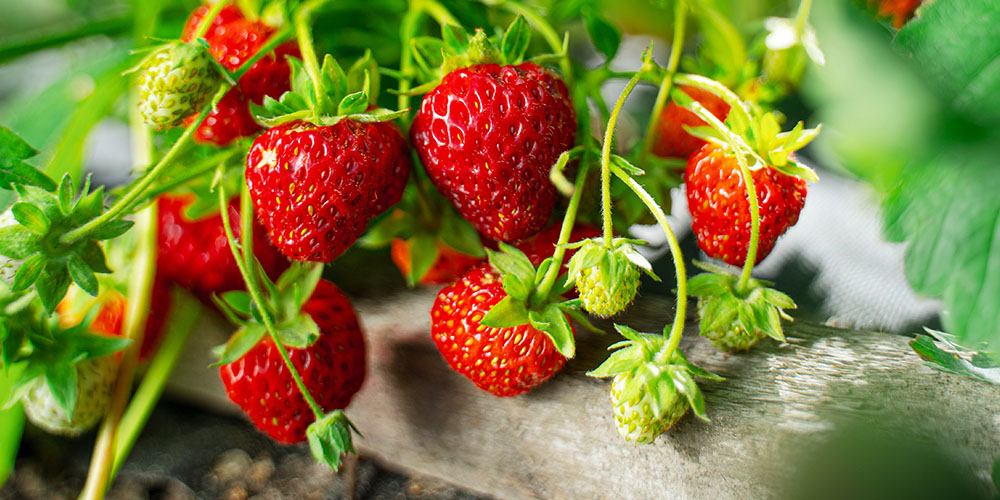
Growing strawberries can be a rewarding experience for gardeners and small-scale farmers looking to diversify fruit production. These popular berries are relatively easy to cultivate, even from seeds, and once established, strawberry plants can produce fruit for up to five years. With proper care and suitable growing conditions, gardeners can enjoy fresh, homegrown strawberries season after season.
Choosing the Right Strawberry Variety
Selecting the appropriate strawberry variety is the first step toward successful cultivation. Alpine strawberries produce smaller fruits but are known for their sweet and delicate flavor. Everbearing strawberries usually produce two harvests per year, typically in late spring and again in late summer. June-bearing varieties spread quickly through runners and produce a large harvest once a year, usually in early summer. Day-neutral varieties, such as Albion and Seascape, are also popular because they can produce fruit continuously when temperatures remain moderate.
Sowing Strawberry Seeds
Strawberry seeds take time to germinate and may require up to 45 days before the first leaves appear. Because of this slow germination process, many gardeners start the seeds indoors before the planting season. Seeds should be sown in seed trays filled with a light seed-starting mix and covered with a thin layer of soil. The soil should be kept moist using a gentle mist, and the trays should be placed in a warm area with plenty of light to encourage healthy growth.
Caring for Young Seedlings
Once the seedlings emerge, they require adequate light and water to grow properly. About eight hours of sunlight or artificial light per day is recommended. Watering should be consistent to keep the soil moist but not waterlogged. When the seedlings develop several sets of leaves and the risk of frost has passed, they are ready to be transplanted outdoors.
Transplanting to the Garden
Before moving the seedlings permanently outdoors, gardeners should gradually expose them to outside conditions through a process known as hardening off. This involves placing the seedlings outside for a few hours each day over a period of one to two weeks so they can adapt to wind, sunlight, and temperature changes.
You Don’t Need a Garden to Grow Ginger—Here’s How to Do It Indoors
Strawberries grow best in areas that receive full sunlight for at least eight hours daily. Raised beds about six to eight inches deep are often recommended because they improve drainage and make plant care easier. Well-drained soil enriched with compost can help improve soil fertility and structure. Strawberries can also be successfully grown in containers for gardeners with limited space.
Maintaining Strawberry Plants
Strawberries require consistent moisture for healthy growth and fruit development. Gardeners should water the plants whenever the top inch of soil becomes dry, usually amounting to about one inch of water per week during the fruiting season. Slightly acidic soil conditions are ideal, and the application of balanced fertilizer can encourage healthy plant growth and better fruit production.
Proper spacing between plants allows for better airflow and reduces the risk of diseases. Companion plants may also help deter pests naturally.
Harvesting Strawberries
Although strawberry plants may produce flowers during their first year, many gardeners remove these early blooms to allow the plants to focus on root and runner development. This practice often leads to stronger plants and a larger harvest in the following year.
Once the fruits ripen, strawberries can be harvested, rinsed lightly, and enjoyed fresh or used in a variety of recipes.
With proper management, strawberry cultivation can be a simple yet rewarding addition to home gardens and small farms, offering fresh fruit and potential income opportunities for growers.