The European Union, in partnership with the federal government and the United Nations Industrial Development Organisation, has called for urgent action to curb food waste and promote sustainable consumption in Nigeria.
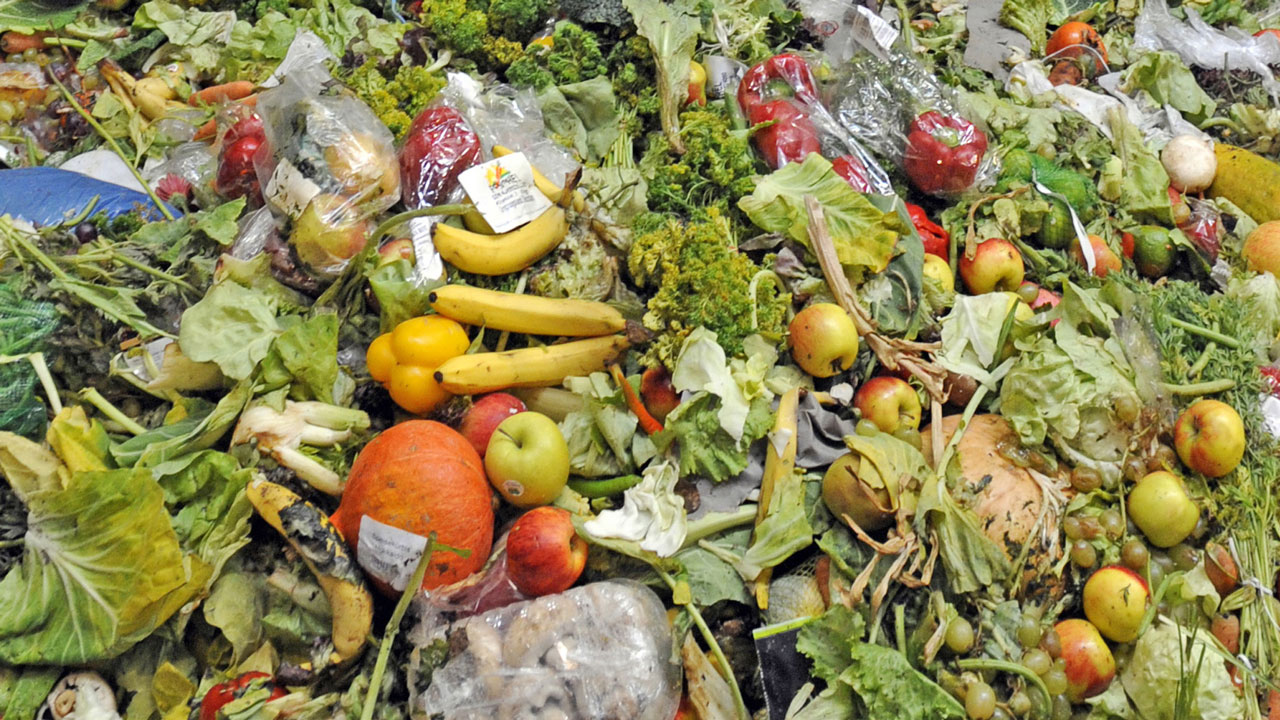
They warned that food waste not only squanders resources such as water, energy, and labour, but also accelerates climate change and undermines efforts toward a zero-waste circular economy.
- EU unveils €288m support targeting climate-resilient agriculture, green growth in Nigeria
- Nigeria missing as UN Advisory Board names 20 city leaders in zero waste
A Cadre Harmonisé report by the Nigerian government in collaboration with the Food and Agriculture Organization and Food Security Sector partners revealed biting hunger in the country, projecting that 34.7 million people would face severe food shortages between June and August 2026.
Speaking in Abuja during the commemoration of International Zero Waste Day, EU Deputy Ambassador to Nigeria and ECOWAS, Zissimos Vergos, said Nigeria wastes about 38 million tonnes of food annually—more than any other country in Africa.
Globally, he said nearly one billion tonnes of food—about one-fifth of all food available to consumers—was wasted in 2022 alone.
He added that food loss and waste contribute up to 10 per cent of global greenhouse gas emissions and nearly 40 per cent of methane emissions.
Vergos acknowledged Nigeria’s efforts, including the Circular Economy Roadmap and moves to strengthen waste management policies, but stressed the need for more action.
He recommended investment in rural roads, storage and cold chains, promotion of agro-processing, and inclusion of zero-waste education in school curricula.
Minister of Environment, Balarabe Lawal, described food waste as a major environmental, economic, and social challenge, especially amid widespread food insecurity. He said the government is implementing projects to reduce post-harvest losses in major markets.
UNIDO’s Country Representative, Amb. Philbert Johnson, noted that efficient food systems are critical for economic growth, health, and societal stability, warning that waste weakens resilience and development.