By Juliet Onyema
As Nigerians seek cheaper alternatives to cope with rising fuel prices, Compressed Natural Gas (CNG) is gaining traction as a viable transport solution.
Backed by government policies, the transition to CNG offers a more cost-effective option compared to petrol and diesel. However, adoption remains slow due to limited refuelling infrastructure, low awareness, and high conversion costs.
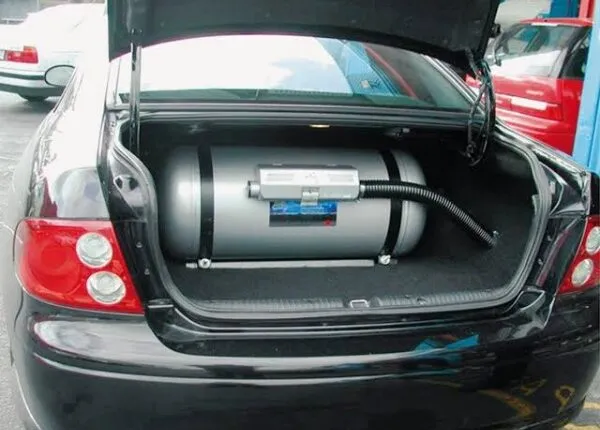
Before converting your vehicle to run on CNG—either fully or as a hybrid—there are key factors to consider, including engine compatibility, safety standards, and regulatory requirements.
1. Cost-Effective Fuel Option
CNG is significantly cheaper than petrol. It currently sells at about ₦380 per Standard Cubic Metre (SCM), compared to petrol prices exceeding ₦1,300 per litre—a difference of over 100%.
Nigeria’s abundant natural gas reserves also make CNG pricing more stable compared to imported fuels, offering long-term financial benefits.
2. High Initial Conversion Costs
Despite lower running costs, converting a petrol or diesel vehicle to CNG can be expensive, ranging between ₦800,000 and ₦1.5 million.
To ease this burden, the Federal Government introduced the Presidential Compressed Natural Gas Initiative (2024), covering about 50% of conversion costs—approximately ₦600,000 to ₦750,000 per transporter.
3. Limited Refuelling Infrastructure
CNG refuelling stations are mostly available in major cities like Lagos, Abuja, and Benin, but are scarce in rural areas.
Even in urban centres, supply shortages at some stations have caused inconvenience for drivers, making long-distance travel challenging.
4. Maintenance Requirements
CNG-powered vehicles require regular maintenance by certified technicians using high-quality kits.
Poor installation can lead to issues such as gas leaks or inefficient combustion. Routine checks on cylinders are essential to detect wear, damage, or leaks.
Although CNG is generally safe and reliable, proper installation and maintenance are critical for safety.
5. Vehicle Compatibility
Not all vehicles are suitable for CNG conversion.
Older engines or vehicles nearing the end of their lifespan may struggle with CNG systems
High-performance vehicles may require specialised modifications
It is important to assess your vehicle’s condition and compatibility before making the switch.
Summary
While CNG offers a cheaper and cleaner alternative to petrol, the decision to switch should consider cost, infrastructure, maintenance, and vehicle suitability. Proper planning ensures both economic benefits and safety on the road.
Business Day