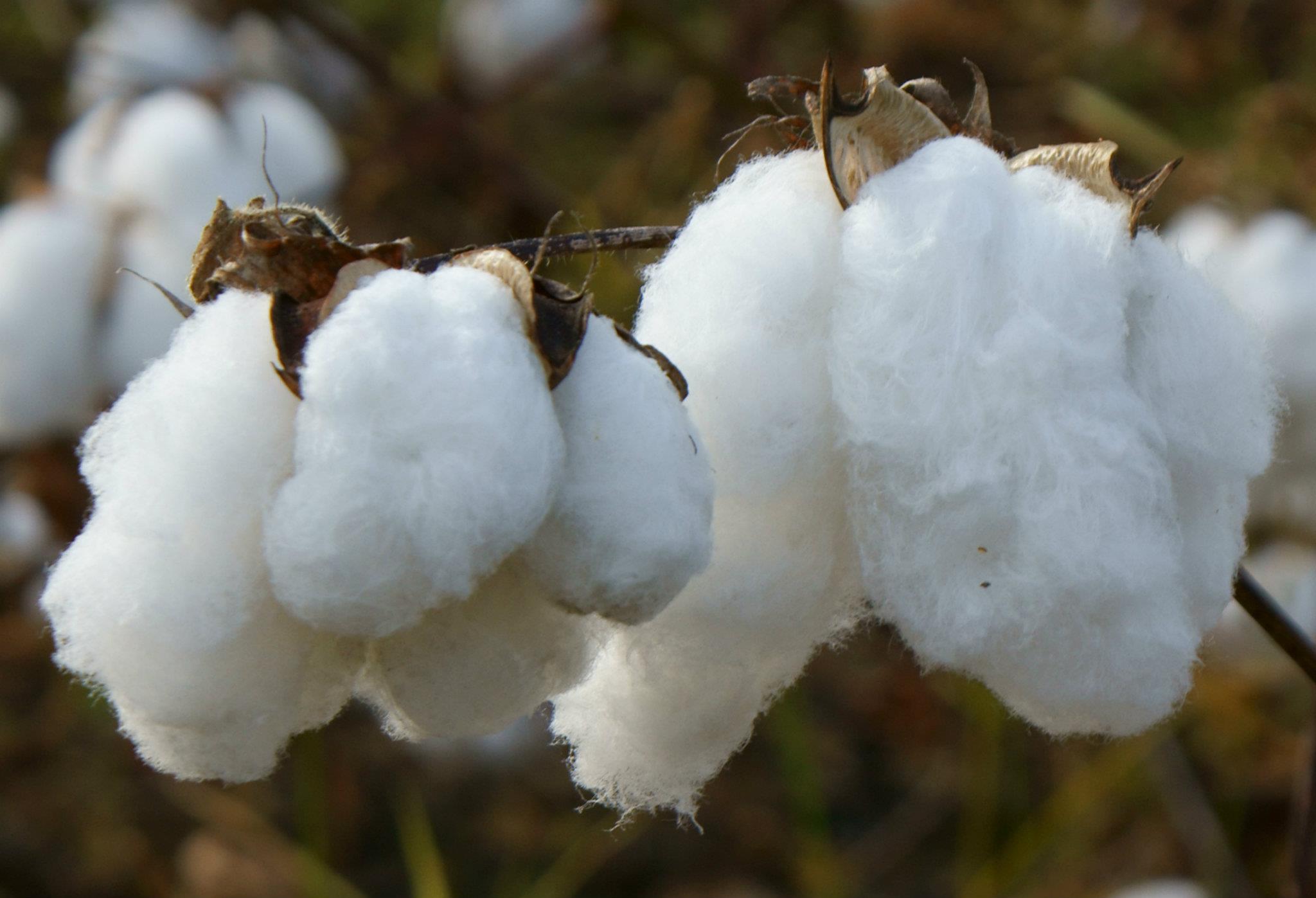
The National Biosafety Management Agency (NBMA) says it has ordered the suspension of four new transgenic cotton hybrid varieties in Nigeria.
The varieties are MIC 561 BGII, MIC 563 BGII, BIOSEED-FIYAH CH1001, and BIOSEED-FIYAH CH1002. They were allegedly registered by the National Committee on Naming, Registration and Release of Crop Varieties, Livestock Breeds and Fisheries on 26 March 2026 without the requisite approval of NBMA.
Background
Genetically modified (GM) crops are plants whose DNA has been altered using genetic engineering to introduce desirable traits such as resistance to pests, diseases, or environmental conditions, as well as improved nutritional value.
In Nigeria, the adoption of GM crops has remained contentious. While proponents argue that the technology can boost food production and enhance food security, critics have raised concerns about environmental and health risks, weak regulatory enforcement, and inadequate labelling.
According to the International Service for the Acquisition of Agri-biotech Applications (ISAAA), more than 30 major food crops have been genetically modified globally. Nigeria has approved four crops—maize, cowpea, cotton, and soybean—for commercialisation and is among six African countries leading in biotech crop adoption.
In 2024, the government approved four varieties of Tela maize, further intensifying debates over GM crop safety and transparency.
Concerns also persist over farmers’ limited knowledge of GM seed characteristics, potential dependence on seed companies, and the broader impact on traditional farming systems.
An investigation by PREMIUM TIMES and international partners in 2024 revealed how the U.S. government, through the now-defunct USAID, funded pesticide and GM-related advocacy campaigns in Nigeria, including efforts that profiled critics of GMOs.
As debates continue, the suspension of the new cotton varieties underscores ongoing challenges around biosafety compliance and regulatory oversight in Nigeria’s biotechnology sector.
Findings
The agency said its findings confirmed that confined field trials and related activities involving the varieties were conducted without prior authorisation, inspection, or regulatory oversight.
“At no time did the National Biosafety Management Agency grant any approval for the confined field trials, multi-locational trials, or commercial release of the new GM cotton varieties,” the statement said.
Under the NBMA Act, the agency said, no person or institution is permitted to conduct confined field trials, multi-locational trials, or the commercial release of genetically modified organisms without its explicit approval.
It added that any action outside this framework constitutes a violation of national biosafety regulations.
NBMA said it has directed the National Committee on Naming, Registration and Release of Crop Varieties, Livestock Breeds and Fisheries to suspend further action on the varieties pending the outcome of ongoing investigations.
“The Agency will apply all appropriate regulatory measures and sanctions as provided under the law,” the statement added.
The agency assured Nigerians that it is handling the matter with seriousness.
“There is no evidence at this time of any immediate risk to public health or the environment and all necessary steps are being taken to ensure continued safety and regulatory integrity,” the statement said.
NBMA reiterated its commitment to ensuring that biotechnology activities in Nigeria comply with national laws and international best practices, adding that the public will be kept informed as investigations progress. Premium Times