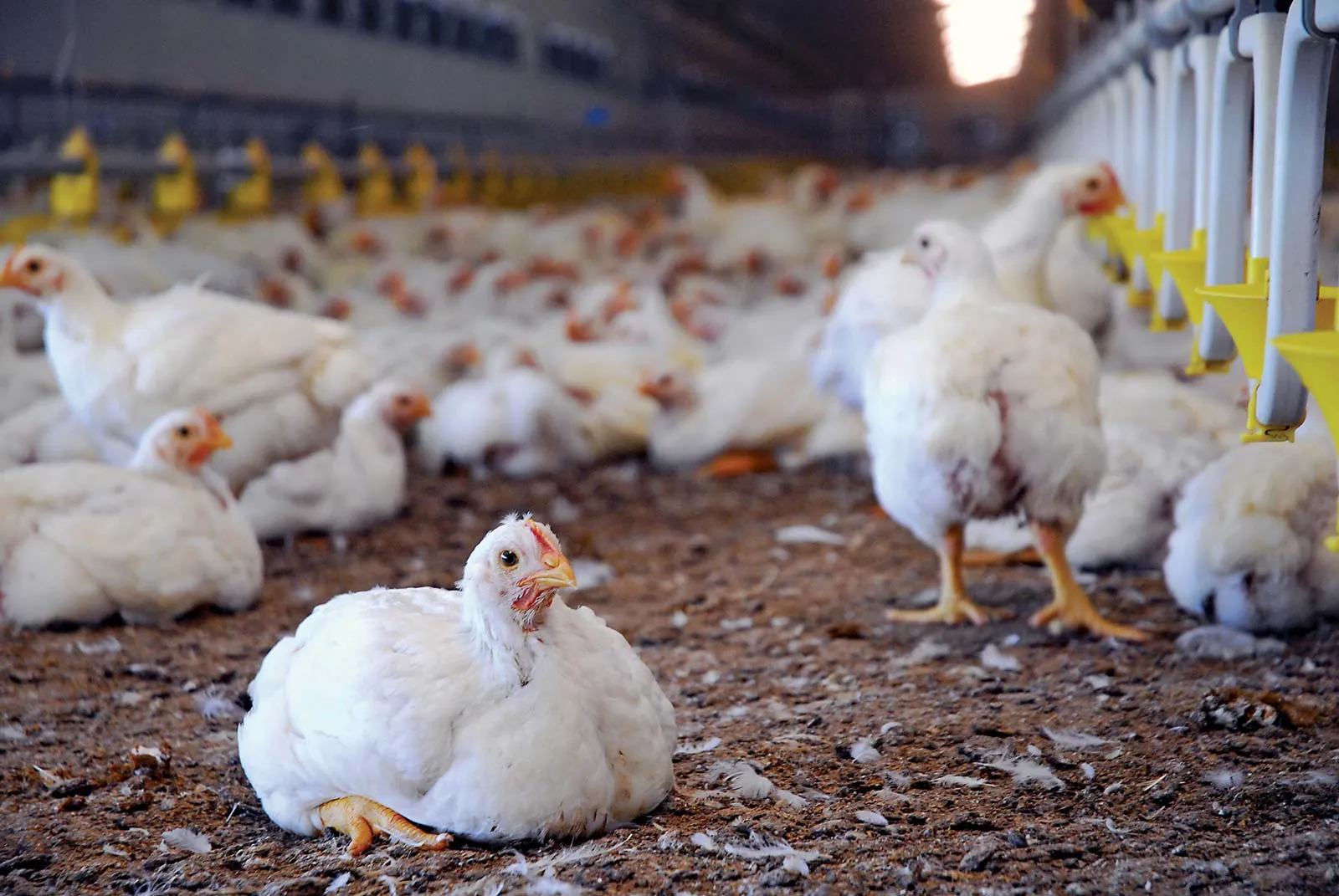
Broiler farming remains one of the fastest and most accessible agribusiness ventures for households across Northern Nigeria. With rising food demand, unemployment, and climate-related economic pressures, small-scale home broiler production offers families a reliable source of protein and income within a short period of time.
This guide provides simple, climate-smart tips for successfully raising broiler chickens at home, especially in the hot and semi-arid conditions of Northern NigNigeria.
Read Also: Farmers Guide: How to use chicken manure in Farming
Read Also: Fish farming in Tarpaulin Pond: A complete guide
Why Broiler Farming?
Broilers are chickens bred specifically for meat production. They grow rapidly and are ready for market within six to eight weeks, making them ideal for small-scale farmers, youth, and women operating from home.
Housing and Space Requirements
Broilers do not require sophisticated structures to thrive.
A well-ventilated room, backyard shed, or converted store can serve as a poultry house. The area should be dry, protected from predators, and shielded from direct sunlight. Each bird requires approximately one square foot of space to prevent overcrowding, which often leads to disease outbreaks and poor growth.
The floor should be covered with dry wood shavings or rice husk to absorb moisture and maintain warmth, especially during the early stages of growth.
Selecting Healthy Chicks
Success in broiler farming begins with the quality of chicks. Farmers should purchase day-old chicks from reputable hatcheries known for supplying healthy and vaccinated stock. Popular broiler breeds in Nigeria include Ross, Cobb, and Arbor Acres.
Transportation of chicks should be done during cooler hours of the day to avoid heat stress.
Brooding: The Critical First Two Weeks
The first one to two weeks of a broiler’s life is the most sensitive period. Chicks require adequate warmth to survive and grow.
Heat sources such as electric bulbs, charcoal stoves, lanterns, or gas brooders can be used. Farmers should observe chick behavior closely: when chicks cluster tightly, it indicates cold; when they spread far from the heat source, it suggests excessive heat.
Gradual reduction of heat should begin after the first week.
Read Also: Kaduna, China signed $450 million Poultry Project deal
Feeding for Fast Growth
Feed accounts for the largest cost in broiler production and should never be compromised.
Broilers require:
Starter feed from day one to three weeks
Finisher feed from four weeks until market age
Feed should be available at all times and placed in clean feeders, not directly on the floor. Poor-quality feed results in slow growth and financial losses.
Water Management
Clean and cool drinking water must be provided at all times. Drinkers should be washed daily, and water should be changed at least twice a day, particularly during hot weather.
Contaminated water is a major source of disease in poultry.
Vaccination and Health Management
Disease prevention is cheaper and more effective than treatment. Farmers should follow a basic vaccination schedule:
Day 1: Marek’s disease (usually administered at hatchery)
Day 7: Newcastle disease (Lasota)
Day 14: Gumboro
Day 21: Newcastle disease booster
The use of multivitamins and electrolytes is recommended, especially during periods of heat stress.
Hygiene and Biosecurity
Good hygiene is essential for successful poultry production. Feeders and drinkers should be cleaned daily, wet litter removed promptly, and access to the poultry area restricted.

Visitors should be discouraged from entering poultry pens to reduce disease transmission.
Managing Heat Stress in Northern Nigeria
High temperatures are a major challenge for poultry farmers in the North. Adequate ventilation, provision of cool water, and the use of vitamins or electrolytes help birds cope with heat stress.
Overheating reduces feed intake, slows growth, and can lead to sudden death.
Marketing and Profitability
Broilers typically reach market weight of 2–3 kilograms within six to eight weeks. Farmers are encouraged to plan sales around festive seasons such as Eid celebrations, weddings, and social events, when demand and prices are higher.
Broilers can be sold directly to households, restaurants, retailers, or live-bird markets.
Common Mistakes to Avoid
Many beginners fail due to avoidable errors such as overcrowding, poor ventilation, skipping vaccination, using dirty water, and purchasing substandard feed.
Attention to basic management practices determines success or failure.
Conclusion
Home broiler farming is a climate-smart and income-generating venture suitable for Northern Nigeria. With proper planning, hygiene, and heat management, households can produce healthy birds, improve food security, and earn steady income within a short production cycle.
Starting small, learning from experience, and gradually expanding remains the most sustainable approach.