By Zahraddeen Yakubu Shuaibu
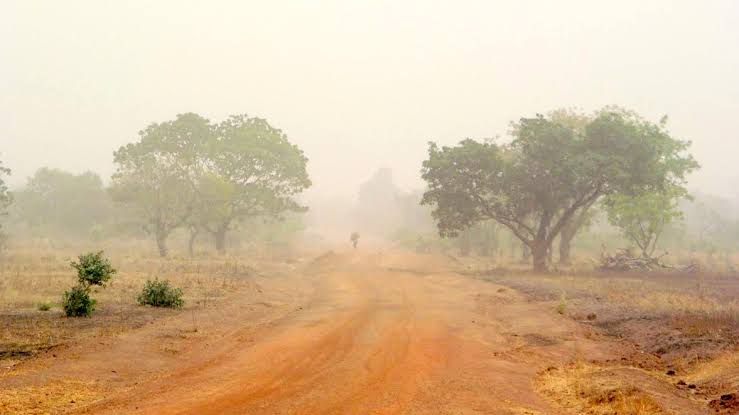
For many Nigerians, the harmattan season is almost predictable. The dry, dusty wind from the Sahara usually arrives toward the end of the year, bringing cold mornings, hazy skies, and dry air that farmers, traders, and city residents have come to expect.
But the 2025/2026 season was different.
- EXCLUSIVE: Living Through the Dust: How harmattan shapes life in Kano
- Expert warns of zoonotic disease risks during harmattan
Across several parts of northern Nigeria, including Kano and Kaduna, residents noticed something unusual: the harmattan came much later than expected. The familiar dust haze that often blankets cities and villages during the early dry season appeared delayed, leaving many people wondering what had changed.
For farmers, the shift sparked concern. Harmattan plays an important role in the agricultural calendar, influencing crop drying, storage, and pest dynamics. Its delay raised questions about what it might mean for farming activities and seasonal planning.
Seeking answers, scientists at the Institute for Agricultural Research, Ahmadu Bello University, Zaria, recently hosted a seminar to explain the science behind the unusual weather pattern.
The seminar featured a presentation by Prof. A. M. Yamusa, a professor of agroclimatology, who explained that the delay in harmattan was not random but linked to broader atmospheric and climatic interactions.
According to him, harmattan is influenced by large-scale wind systems and atmospheric circulation between the Sahara Desert and the Gulf of Guinea. When these systems shift slightly due to regional or global climatic conditions, the timing and intensity of the harmattan can change.
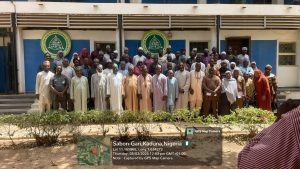
“The delayed harmattan we experienced is connected to variations in atmospheric circulation and regional climate interactions,” Yamusa explained during the seminar. “These changes influence how and when the dry continental air mass moves southward.”
The lecture, chaired by the institute’s Executive Director Prof. Ado Yusuf, also highlighted key projections from Nigeria’s 2026 Seasonal Climate Prediction, which provides guidance for agriculture, water management, and disaster preparedness.
For many participants, the discussion was more than a scientific exercise. It reflected a growing concern about climate variability and how subtle shifts in weather patterns are beginning to affect everyday life.
Farmers attending virtually said understanding these changes is becoming increasingly important as climate conditions grow less predictable.
Experts say seminars like this help bridge the gap between scientific research and real-life challenges faced by communities, especially those whose livelihoods depend heavily on weather conditions.
As climate variability continues to reshape seasonal patterns, scientists believe that improved climate knowledge and early prediction will be critical for helping farmers and policymakers adapt.
The seminar, attended physically and online by researchers, students, and stakeholders, underscored the importance of continued dialogue between climate scientists and the public.
For many Nigerians who noticed the late arrival of the dusty winds this year, the message from scientists was clear: the climate is changing, and understanding it is becoming more important than ever.