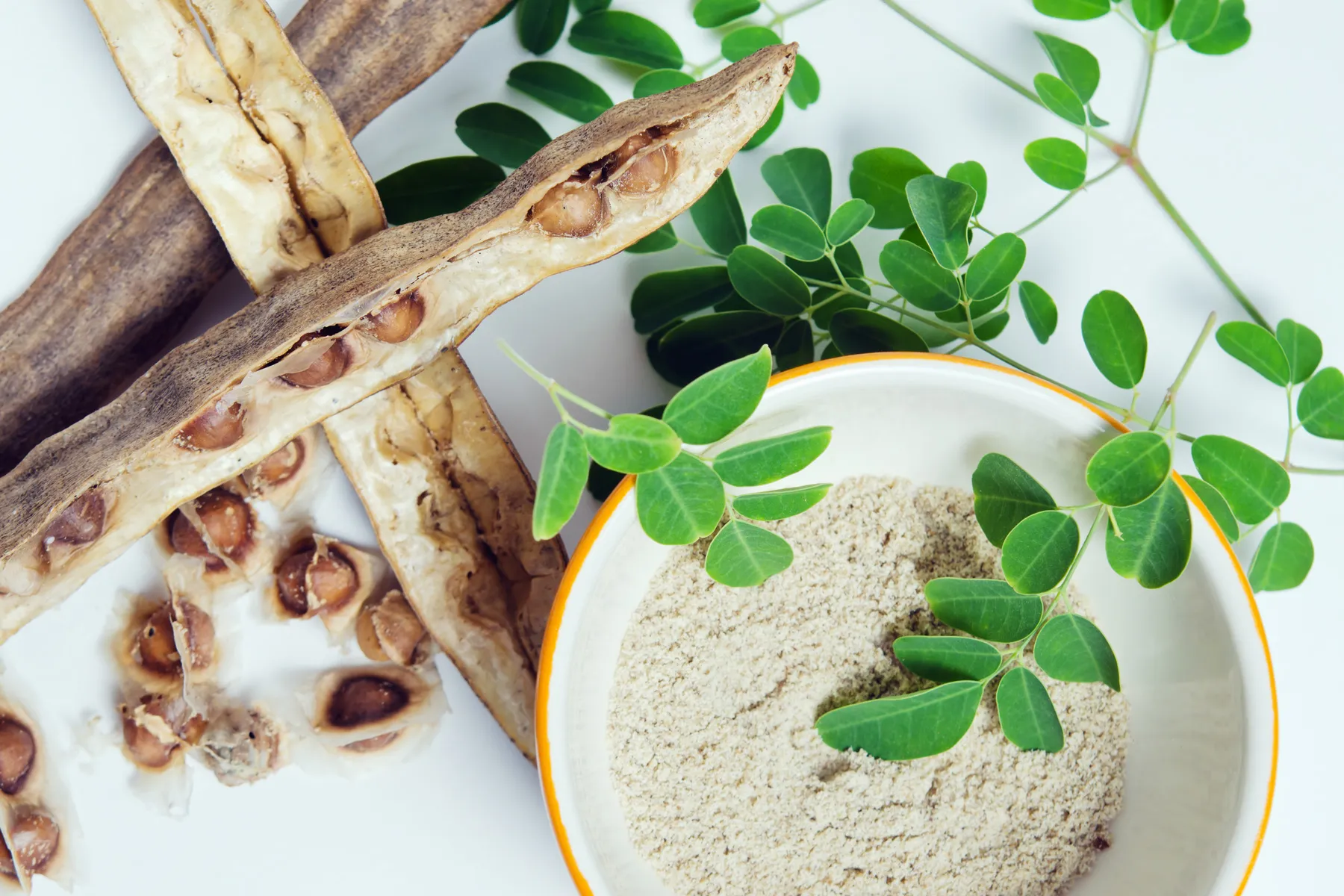
A new scientific study has revealed that seeds from the moringa tree, widely grown across tropical regions including parts of Nigeria, could play a significant role in tackling microplastic pollution in drinking water.
The study, conducted by researchers from Brazil and the United Kingdom, found that moringa seed extracts can remove up to 98.5 percent of microplastics from contaminated water, offering a natural and sustainable alternative to conventional chemical treatment methods.
- NEWS EXTRA: Poultry farmers turn to Moringa as natural growth promoter for chickens
- Nigeria can earn N1trn monthly from moringa farming – Association
Moringa, often referred to as the “miracle tree,” is already valued for its nutritional and medicinal benefits. However, scientists say its seeds also function as a natural coagulant—binding tiny particles together so they can be easily filtered out during water treatment.
Rising Concern Over Microplastics
Microplastics—tiny plastic particles measuring less than 5 millimeters—have become a growing global environmental and health concern. They have been detected in oceans, soils, food systems, and drinking water supplies.
Recent studies show that up to 83 percent of global tap water sources may contain microplastics, raising alarm over their potential impacts on human health. Scientists have already identified their presence in human organs, including the brain and reproductive system, although long-term health implications are still under investigation.
Study Findings
The researchers focused on polyvinyl chloride (PVC) microplastics, one of the most hazardous forms commonly found in water systems. Testing particles with an average size of 18.8 micrometers, the team recorded a removal efficiency of 98.5 percent using moringa seed extracts.
According to the study, the performance of moringa seeds is comparable to aluminum sulfate (alum), a widely used chemical coagulant in water treatment. In alkaline conditions, moringa seeds even outperformed alum.
Environmental and Rural Benefits
Experts say the use of moringa seeds could offer multiple advantages, particularly for rural communities and developing regions.
Unlike chemical coagulants, moringa seeds are biodegradable, renewable, and generate less sludge. They also present fewer health and environmental risks, especially when compared to aluminum-based treatments, which have been linked to toxicity at high concentrations.
For countries like Nigeria, where moringa cultivation is widespread and access to treated water remains a challenge in many rural areas, the findings present an opportunity to explore locally available, low-cost water purification solutions.
Limitations and Future Research
Despite the promising results, the researchers noted some limitations. One moringa seed can treat approximately 10 litres of water, meaning large-scale application in urban water systems would require substantial quantities.
There are also concerns about residual organic matter left behind after treatment, which would need further purification.
Scientists say additional studies are ongoing to determine the effectiveness of moringa seeds on other types of plastics, including nanoplastics, as well as the long-term safety and scalability of the technology.
A Nature-Based Solution
As microplastic pollution continues to rise globally, experts believe nature-based solutions like moringa could play a crucial role in improving water quality and safeguarding public health.
With increasing pressure on water systems due to climate change, population growth, and pollution, integrating indigenous and sustainable technologies into water management strategies may offer a practical path forward.
CNN