By Faiza Abubakar Ardo
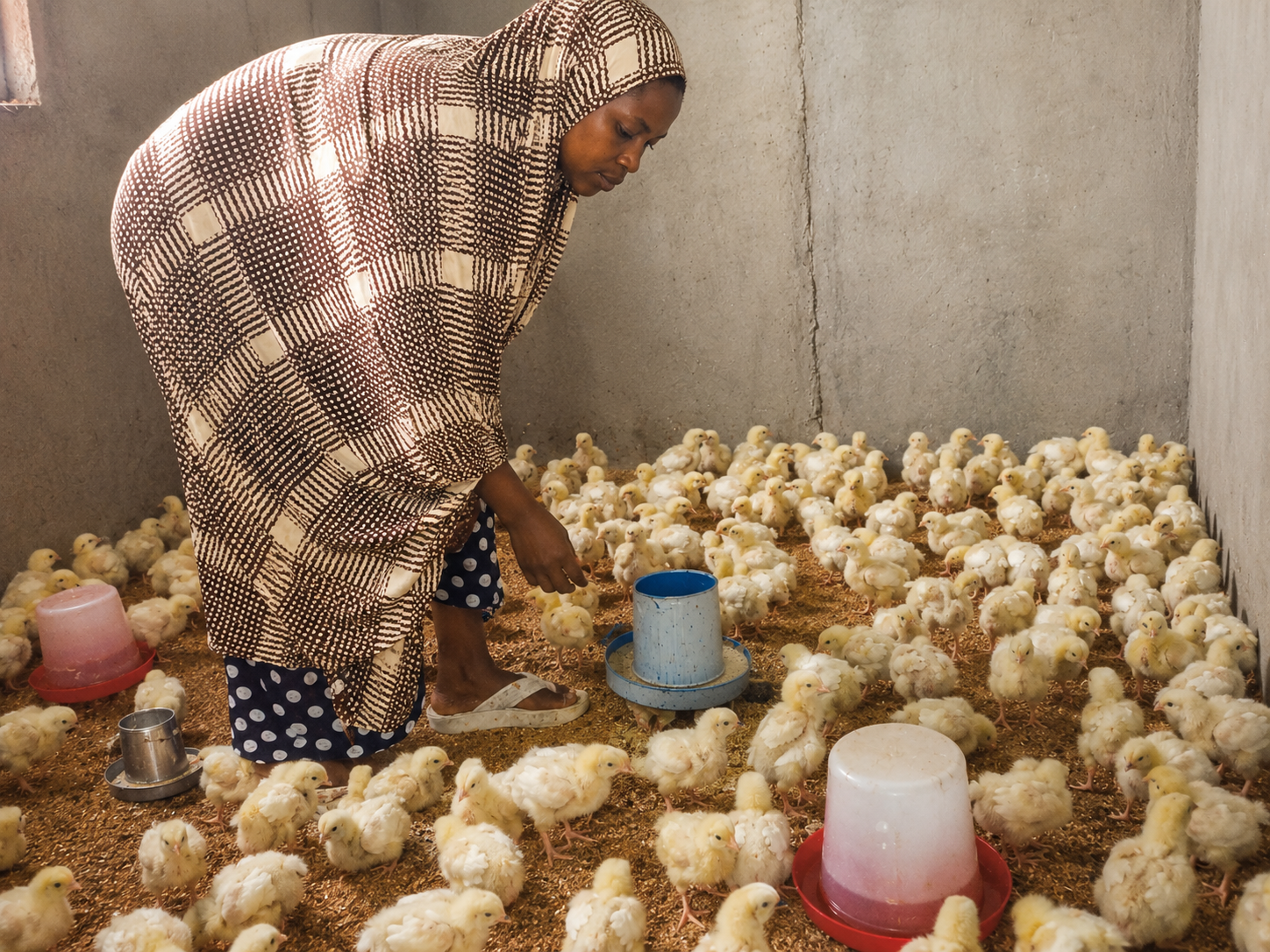
Poultry farming among women in Northern Nigeria is increasingly gaining momentum, as the enterprise continues to attract women into one of the most significant agricultural value chains, generating income and improving livelihoods. Many housewives, widows, divorcees, and even young girls are making their mark in poultry farming, transforming what was once a small household activity into a viable source of income and economic empowerment—despite numerous challenges.
Agro Climate News gathered that the business not only improves the livelihoods of the women engaged in it but also plays a key role in supplying chickens to local roasters who process them into roasted delicacies. However, these women face several constraints, including the high cost of chicks and feed, as well as climate-related factors that affect poultry health and productivity.
- EXCLUSIVE: Encounter with Bala A. Usman, Kano poultry farmer producing over 3,000 eggs daily
- Local farmers skeptical as govt pursues mega poultry project with China
Traditionally, women in Northern Nigeria engaged in subsistence poultry keeping, raising local chickens mainly for family consumption and occasional sales. In recent years, this practice has evolved significantly. With growing awareness and support from development programmes, many women are adopting improved farming methods, investing in larger flocks, and participating in commercial poultry production.
Recent data shows that Nigeria’s poultry sector contributes about 25% of the country’s agricultural GDP and is valued at over ₦1.6 trillion annually. The industry supports more than 20 million jobs directly and indirectly, with women accounting for an estimated 60–70% of backyard and small-scale poultry farmers, particularly in Northern Nigeria.
In the North-West and North-East regions, poultry farming remains one of the most accessible agribusinesses for women due to its low entry barriers. Studies by agricultural development agencies indicate that over 65% of rural households keep poultry, with women managing the majority of these operations.
Furthermore, projections suggest that Nigeria’s poultry demand will grow by about 20–30% by 2030, driven by population growth and rising protein consumption. This presents a major opportunity for women poultry farmers to expand production and increase their incomes if adequately supported.
Speaking exclusively to Agro Climate News, some of the women interviewed said that while backyard poultry farming is profitable, it comes with significant risks. Beyond disease outbreaks and high feed costs, they also lament exploitative middlemen who often purchase chickens at very low prices or on credit that is difficult to recover.
“If we can overcome some of the challenges, this business is a very rewarding agribusiness. It brings a lot of profit. But the challenges are enormous—they can make you feel like giving up. In my five years in the business, I have bought land and supported my husband financially. That alone is success, but it came despite many odds,” said Halima Abdullahi.
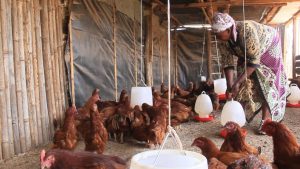
Poultry farming offers several advantages that make it particularly suitable for women. It requires relatively low startup capital compared to other agricultural ventures and can be managed within the household. This flexibility allows women to balance domestic responsibilities while earning income, improving both nutrition and household financial stability.
However, despite these gains, Northern Nigerian women in poultry farming continue to face serious challenges. Limited access to finance restricts expansion and investment in modern equipment. Inadequate training and poor access to veterinary services also reduce productivity and increase losses due to disease outbreaks. Cultural and societal norms further limit women’s mobility and decision-making power, restricting access to larger markets.
The impact of women’s participation in poultry farming extends beyond individual households. It strengthens local economies, creates employment opportunities, and contributes significantly to food security across the region.
In an interview with Agro Climate News, Hajiya Zaliha Mohammad Abdullahi shared her experience with our reporter, explaining that she spent over 10 years in the business.
“I have been in poultry farming for 10 years. I started with 250 chickens and now rear over 1,000. Although some die, I still make good profit. Sometimes chicks and feed become very expensive, but I do not increase my price. I sell at ₦5,500 after nine weeks, while retailers sell for ₦11,000 or ₦12,000. I only sell to wholesalers. I also prepare ‘dambun kaza’ and rice with chicken. I take proper care of my birds to ensure their safety.”
Amina Habibu, who has spent less than a year in the business, said she started with chicks and now have over 50 chicks.
“In less than one year, I have reared chickens 10 times. I started with just three and now have 50. I have never lost any birds. I recite Suratul Fatiha, Ikhlas, Falaq, and Nas into their water and observe morning and evening adhkar. I believe this contributes to their good health.”
Fauziyya Abdullahi, with eight years of experience, explained: “I started with 100 chickens and now rear over 300. Losses do occur, but I monitor them closely and have a veterinarian who checks them regularly. If one chicken is sick, it is best to treat all because the disease can spread.”
Similarly, Maijidda Mohammad, who has spent five years in the business, added: “I started with 50 chickens and now rear 300. I never joke with vaccination from day-old to four weeks. Poultry diseases are contagious, so I use dedicated slippers in their area, wear a face mask when cleaning, and restrict access until I finish.”
Agro Climate News gathered that Northern Nigerian women are steadily reshaping the poultry farming landscape through resilience, innovation, and determination. Despite persistent challenges, their growing participation highlights the sector’s potential as a powerful tool for economic empowerment, food security, and sustainable development. With improved access to finance, training, and markets, these women can drive even greater transformation across the region.