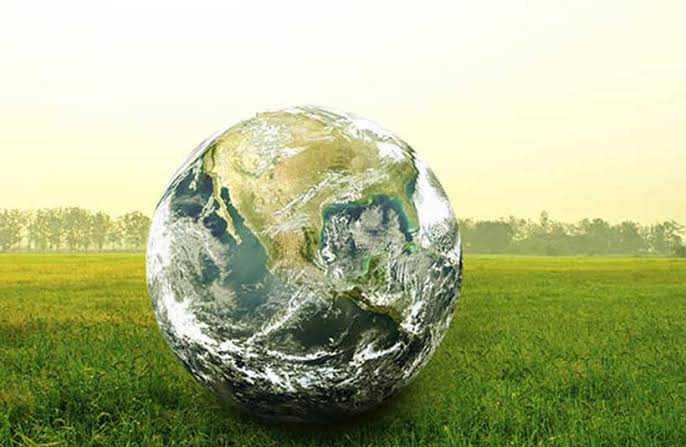
Every year on World Environment Day, the world pauses to reflect on the state of our environment and renew commitments to protecting the planet. In Nigeria, this moment is more than symbolic—it is urgent. From the advancing deserts in the North to flooding in coastal and riverine communities, the environmental challenges confronting the country are no longer distant threats; they are lived realities affecting livelihoods, food systems, and national stability.
For millions of smallholder farmers across Northern Nigeria, climate change is not a theory—it is a daily struggle. Erratic rainfall patterns, prolonged dry spells, and land degradation have disrupted planting cycles and reduced yields. The once predictable agricultural calendar has become unreliable, leaving farmers to gamble with every season. Without decisive action, food insecurity will deepen, and rural poverty will worsen.
- Kano Govt merges water resources, environment, and climate change ministries
- NEWS FEATURE: How insecurity, climate change affect beans production, price in Nigeria
Yet, amid these challenges, there is a growing recognition that solutions must be locally driven and sustainably anchored. Initiatives such as climate-smart agriculture, land restoration programmes, and renewable energy adoption are gaining traction. Projects like afforestation campaigns and soil conservation efforts are not only restoring degraded lands but also offering communities a pathway to resilience. However, these efforts remain fragmented and insufficient compared to the scale of the problem.
This year’s World Environment Day theme underscores the need for ecosystem restoration—a message that resonates deeply in Nigeria. Restoring degraded land in the Sahel, protecting wetlands, and promoting sustainable farming practices are critical steps toward safeguarding both the environment and the economy. Environmental protection must no longer be treated as a secondary concern but as a central pillar of development policy.
Government at all levels must move beyond rhetoric to implementation. Policies must be backed by funding, enforcement, and community engagement. Equally important is the role of the private sector and civil society in driving innovation and accountability. Farmers, who are at the frontline of climate impacts, must be supported with access to inputs, knowledge, and climate-resilient technologies.

As we mark this day, the message is clear: the health of our environment determines the future of our nation. Nigeria stands at a crossroads—continue on a path of degradation or choose restoration and sustainability. The choice we make today will define the legacy we leave for generations to come.
At Agro Climate News, we believe that storytelling, data, and community voices are powerful tools for change. This World Environment Day, we call on policymakers, stakeholders, and citizens to act boldly and collectively. The time to restore our environment is now.