By Adam Said Adam, Kano
Kano’s push for a cleaner and more inclusive environment received a fresh boost as the Grants and Strategic Opportunities Fund (SOF) Lead at PACE, Miss Lilian Okoli, paid a working visit to the Kano State Refuse Management and Sanitation Board (REMASAB) to assess the impact of an ongoing grant supporting grassroots waste management.
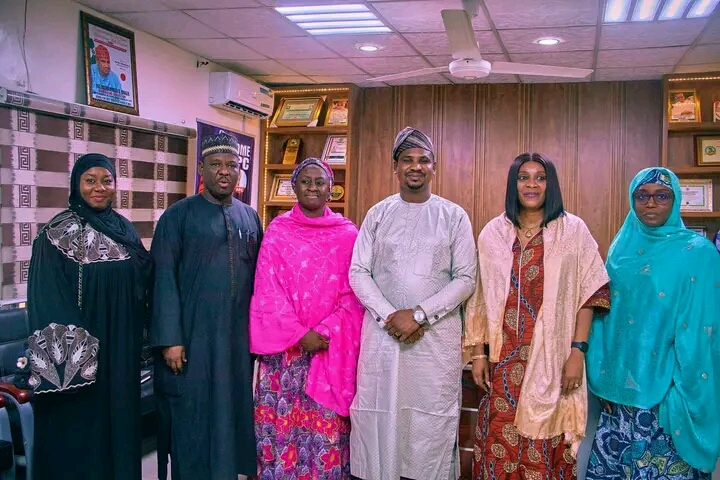
During her visit, Okoli met with the Managing Director of REMASAB, Dr. Muhammad S. Khalil, where both leaders discussed progress made so far and explored ways to strengthen and expand the initiative. The meeting also provided an opportunity to review how effectively the grant is being implemented across the state.
- REMASAB seals TotalEnergies filling station, sanction others for environmental violations in Kano
- Kano advances waste-to-value agenda as sustainability drive gains momentum
The PACE-supported programme has already made a meaningful difference by empowering 160 women across eight metropolitan local government areas in Kano. These women are actively involved in door-to-door waste collection, helping households dispose of refuse responsibly while transporting it to designated collection points. Beyond improving sanitation, the initiative is also creating livelihoods and economic opportunities for women at the community level.
Speaking during the visit, Okoli praised the smooth rollout of the project and expressed satisfaction with the progress recorded so far. She also revealed plans to scale up the programme by enrolling more women, a move expected to deepen its environmental and social impact across Kano.
In his response, Dr. Khalil welcomed the continued support from PACE, noting that the visit offered a valuable opportunity for stakeholders to see firsthand the results of the intervention. He reaffirmed REMASAB’s commitment to sustaining the programme and expanding its reach to benefit more communities.
The collaboration between PACE and REMASAB highlights how targeted interventions can tackle environmental challenges while simultaneously empowering women and strengthening local economies—an approach that is fast becoming a model for sustainable urban waste management in Nigeria.