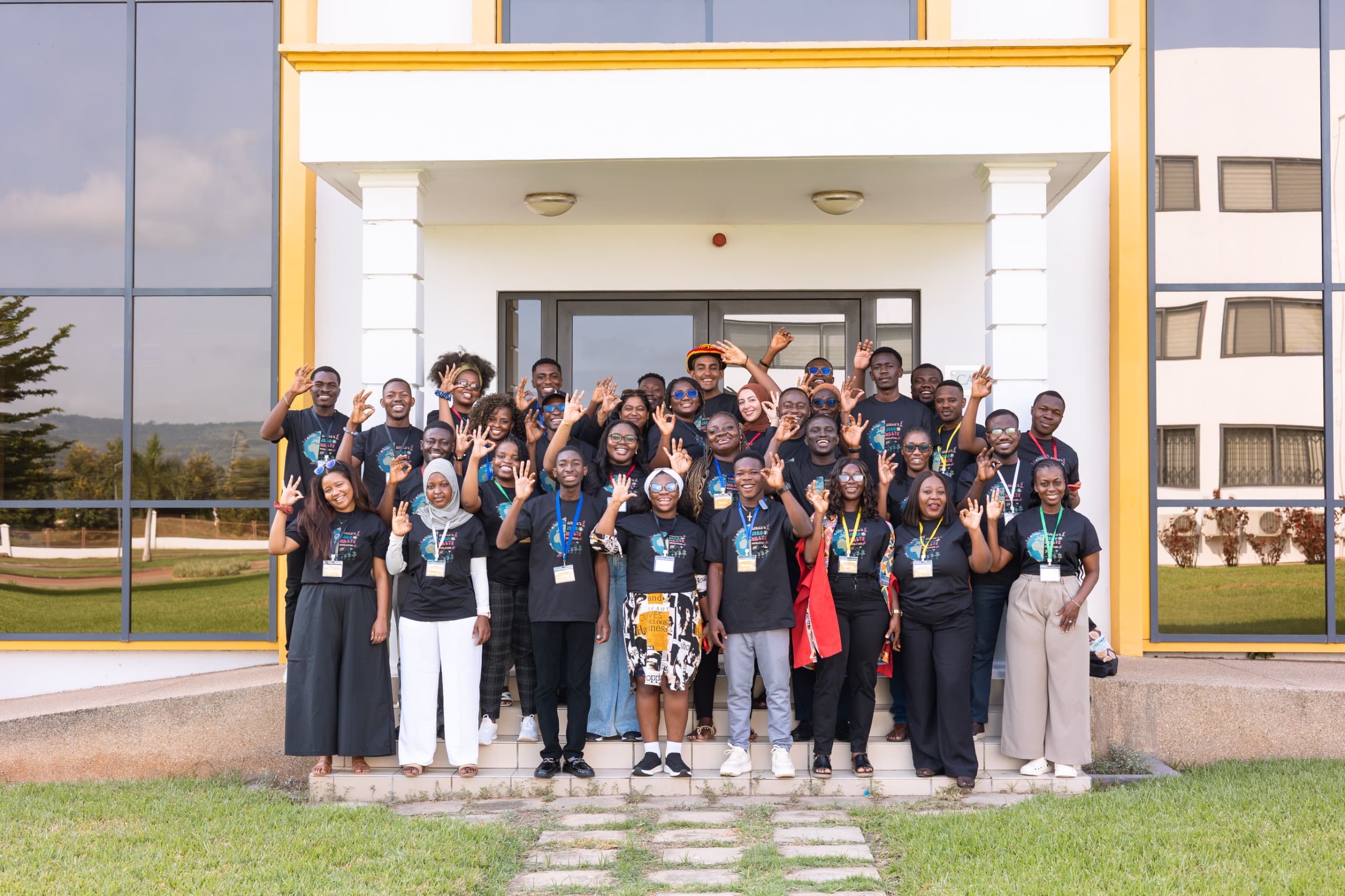
The Global Alliance for Incinerator Alternatives in partnership with Green Africa Youth Organization has launched the in-person segment of the Africa Zero Waste Academy 2026, advancing efforts to build a new generation of practitioners equipped to tackle Africa’s growing waste and climate challenges.
The academy, now in its second year, is a flagship capacity-building initiative focused on equipping young climate leaders and waste professionals with practical tools to design localized zero waste systems. These systems are aimed at reducing greenhouse gas emissions, generating green jobs, and safeguarding public health across communities.
The 2026 cohort drew over 700 applicants from across the continent, reflecting growing interest in sustainable waste management solutions. Organizers emphasized that participants were carefully selected to ensure gender balance and broad geographic representation.
With the world generating over 2.1 billion tonnes of municipal solid waste annually, experts say Africa must adopt localized and sustainable waste solutions. Strategies such as waste separation at source and organic waste management are increasingly seen as critical in addressing the environmental and socio-economic impacts of poor waste systems.
The importance of zero waste initiatives is gaining global recognition. In March 2026, Accra was named by the United Nations as one of 20 “Cities Towards Zero Waste,” a milestone partly driven by GAYO’s award-winning Zero Waste Accra Project. The initiative has successfully diverted organic, plastic, and electronic waste from landfills while reducing methane emissions.
Speaking at the academy, Ama Asiedu, GAIA Africa’s Zero Waste and Climate Program Associate, highlighted the broader significance of the initiative.
“This is not just about managing waste better; it’s about rethinking systems for climate resilience, green jobs, and community health,” she said.
The program underscores the deep connection between waste systems and human well-being. It promotes a justice-centered approach that prioritizes the protection of waste workers, including informal waste pickers, while advocating for systems that prevent environmental harm from the outset.
Fathia Selasi Charway-Glover, Project Coordinator for Zero Waste Cities at GAYO, described zero waste as a transformative framework.
“Zero waste is a systems transformation agenda that challenges us to rethink and redesign the economic and material systems that generate waste. Achieving this requires intentional investment in people, knowledge, and inclusive infrastructure that recognizes waste as a resource rather than a liability,” she explained.
Participants in the academy have already completed a five-week virtual training covering key areas such as movement building, waste characterization, and monitoring frameworks. The ongoing in-person session in Ghana is designed to deepen their learning through expert-led discussions and field visits to operational zero waste projects in Accra.
Organizers believe the knowledge gained will empower participants to influence policy, drive innovation, and implement sustainable waste solutions in their respective communities.
“Each participant has a vital role to play in shaping sustainable practices and policies. The insights shared here will drive meaningful progress toward a Zero Waste Africa,” Asiedu added.
About the Africa Zero Waste Academy
The Africa Zero Waste Academy, led by GAIA Africa, is a continental initiative focused on strengthening technical capacity in sustainable waste management. By nurturing a network of skilled practitioners, the academy aims to accelerate Africa’s transition to a circular economy while promoting environmental sustainability and economic resilience.