By Zahraddeen Yakubu Shuaibu
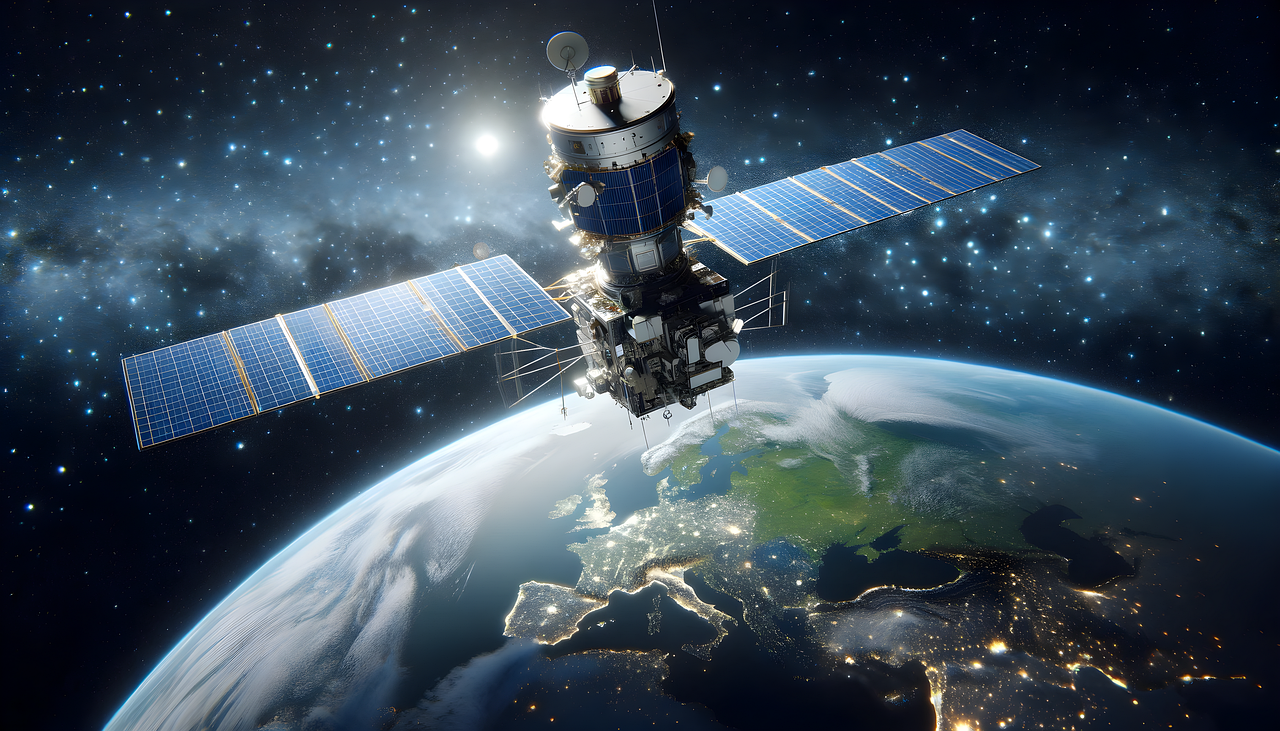
In newsrooms across Nigeria, something remarkable is quietly taking shape. Climate reporting is no longer just about describing floods, droughts, or rising temperatures—it is becoming smarter, sharper, and more grounded in evidence. And surprisingly, much of this transformation is being powered from space.
As climate change continues to disrupt lives and livelihoods, journalists are beginning to rely less on assumptions and more on data—real, verifiable data captured by satellites orbiting the Earth.
- EXCLUSIVE: Windstorm devastates Jigawa communities, destroys 3,500 homes, disrupts livelihoods
- CDA train journalists on using Earth Observation Technologies to strengthen climate, disaster reporting
This shift was at the heart of a recent training organised by the Centre for Dryland Agriculture (CDA) at Bayero University Kano (BUK). Journalists from across the country gathered to learn how Earth Observation technologies can help them tell better, more accurate stories about climate change, disasters, and the environment.
The training, part of an international project supported by partners including the European Space Agency (ESA) and the Future Earth aims to close a long-standing gap: the disconnect between scientific research and public understanding.
For years, much of the research on climate and the environment has remained locked away in academic papers—valuable, but often too technical for everyday audiences.
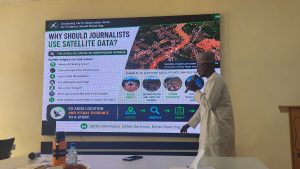
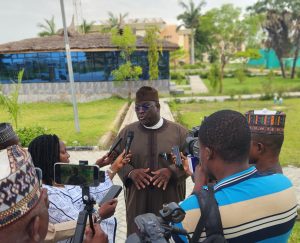
Professor Aliyu Salisu Barau, who leads the project, believes journalists can change that.
“The media is the bridge between science, society, and policy,” he said. “When journalists understand scientific information and simplify it, people can relate to it—and that’s when change begins.”
That idea shaped the training. It wasn’t just about theory; it was about practical skills—helping journalists see themselves not just as reporters, but as storytellers who can drive awareness and action.
Learning to See the Bigger Picture
Over several sessions, participants explored how satellite technology can reveal what the human eye cannot easily see.
They learned how Earth Observation can track floods, monitor droughts, and even detect gradual environmental changes like land degradation. For many, it was a completely new way of thinking about reporting—moving from “what happened” to “what the data shows.”
Another key part of the training focused on accessing and using reliable data. Journalists were introduced to tools that allow them to verify claims, analyse trends, and strengthen their stories with evidence.
There was also a strong emphasis on storytelling—how to turn complex data into visuals, maps, and narratives that people can understand. This is especially important for investigative reporting, where evidence can help hold institutions accountable.
Perhaps most importantly, the training showed how journalists can use real-time data to warn communities about risks before they escalate—whether it’s an approaching flood or worsening drought conditions.
A First Taste of Satellite Reporting – The Copernicus Experience
One of the most exciting moments came when participants worked with Copernicus, a leading Earth Observation programme by the European Union.
For many journalists, it was their first time using satellite data directly.
With just a few clicks, they could track changes in water bodies, observe urban expansion, and analyse environmental patterns over time. It was a powerful experience—seeing the story unfold not just through interviews, but through data.
They learned how to fact-check environmental claims, build stronger investigations, and create compelling visual stories backed by science.
It became clear that journalism is evolving—and those who embrace these tools will be better equipped to tell deeper, more meaningful stories.
Telling Local Stories with Global Tools
While the technology is global, the focus remains local.
Professor Amina Mustapha of BUK stressed the importance of telling stories that matter to communities, especially in Northern Nigeria and the Sahel, where climate impacts are already being felt.
From shrinking lakes to advancing desertification and unpredictable rainfall, these are not distant issues—they are everyday realities for many people.
She encouraged journalists to bring these stories closer to home, connecting climate change to food security, livelihoods, and economic survival.
In a virtual session, Freya Muir of Future Earth highlighted how Earth Observation is not just about data—it is about better decisions.
With accurate information, governments and organisations can respond more effectively to environmental challenges. For journalists, this means their work can do more than inform—it can influence policy and shape public understanding.
Standing Against Misinformation
In today’s fast-moving digital world, misinformation spreads easily—especially on issues like climate change.
This is where data-driven journalism becomes essential.
By using verified satellite data and geospatial tools, journalists can challenge false claims, present the facts, and build trust with their audiences.
Participants left the training with a shared commitment: to report responsibly, using evidence to inform and educate.
A New Chapter in Climate Journalism
As the workshop ended, one thing was clear—climate reporting is entering a new era.
Earth Observation is no longer just for scientists. It is becoming an essential tool for journalists who want to go beyond surface-level reporting and truly understand the forces shaping our world.
For communities across Nigeria, especially those already feeling the impact of climate change, this shift could make a real difference.
Because when stories are backed by science, they don’t just inform—they inspire action.