By Adam Said Adam, Kano
Stakeholders in environmental conservation, academia, and pastoral development have called on the Federal and State Governments to strengthen support for pastoral communities and adopt sustainable rangeland management policies to address land degradation, drought, and climate change.
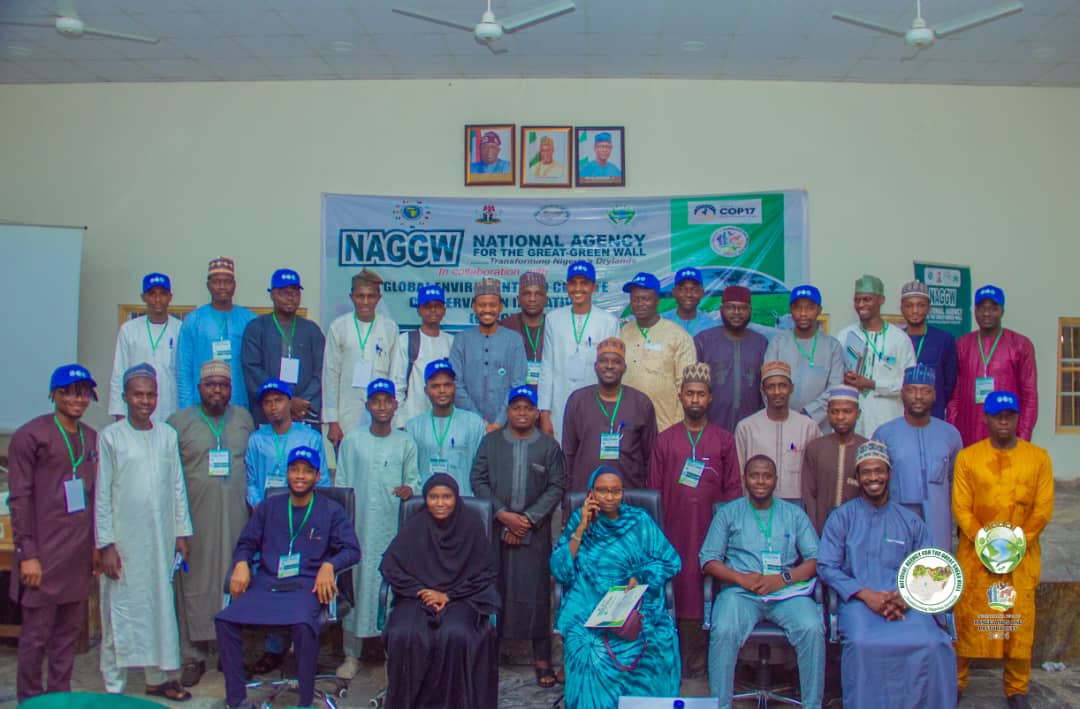
The call was made during a stakeholders’ dialogue organized by the National Agency for the Great Green Wall (NAGGW) in collaboration with the Global Environment and Climate Conservation Initiative (GECCI). The dialogue was held under the theme: “Shepherding the Future: Nigeria’s Pastoralist and Rangeland Flagship Initiative for UNCCD COP17 and the International Year of Rangelands and Pastoralists (IYRP) 2026.”
- Bauchi Climate Assembly backs establishment of Environment and Climate Change Clubs in schools
- Climate change reduces crop nutrition, scientists warn
Speaking at the event, the Dean of Students Affairs at Bayero University, Kano, Prof. Ridwan Bunza, urged governments at all levels, development partners, and donor organizations to provide increased support for pastoralists, noting that their livelihoods are closely tied to environmental sustainability.
“The government must support pastoralists to improve their livelihoods while protecting the land,” Prof. Bunza said.
He emphasized that strengthening Nigeria’s rangelands is critical to achieving Land Degradation Neutrality, enhancing drought resilience, and promoting sustainable pastoralism nationwide.
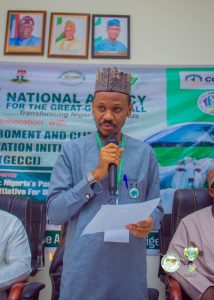
Also speaking, the Deputy Vice-Chancellor (Research and Development) at Bayero University Kano, Prof. Amina Mustafa, highlighted the need for inclusive and participatory governance in managing Nigeria’s rangelands.
She stressed that the future of rangeland management lies in systems that are science-driven, community-centered, and inclusive, rather than relying solely on top-down approaches.
According to her, healthy rangelands are vital not only for grazing but also for economic resilience.
“Healthy pasture leads to healthy livestock, and healthy livestock translates to food security, income generation, and national economic growth,” she stated.
Prof. Mustafa further underscored the importance of recognizing pastoralists as partners and co-managers of rangeland resources. She noted that achieving the United Nations Convention to Combat Desertification (UNCCD) target of Land Degradation Neutrality requires preventing further land degradation, restoring degraded ecosystems, and promoting sustainable land management practices.
She added that restoring Nigeria’s rangelands is a shared responsibility that requires collaboration among government agencies, communities, researchers, civil society organizations, and development partners.
In his remarks, the National President of GECCI, Abdulhamid Tahir Hamid, explained that the dialogue forms part of Nigeria’s preparations for an upcoming international conference in Mongolia.
He said the initiative aims to ensure Nigeria presents a unified position on issues affecting pastoralists, rangelands, and environmental sustainability.
“Fulani and other pastoralist communities have significant roles to play. In recognition of this, the United Nations has declared an international year to promote support for pastoralists and address their challenges,” he said.
The event attracted academics, climate activists, environmental experts, policymakers, and other stakeholders committed to environmental protection and sustainable land management.
Participants from 11 states across the North-West and North-East regions—including Kano, Jigawa, Katsina, Kaduna, Kebbi, Sokoto, Zamfara, Adamawa, Yobe, and Taraba—deliberated on collaborative strategies to protect Nigeria’s rangelands and strengthen pastoral livelihoods.