The Kano State Government has taken another step toward protecting the environment and improving clean energy practices by partnering with international organizations to tackle renewable energy waste.
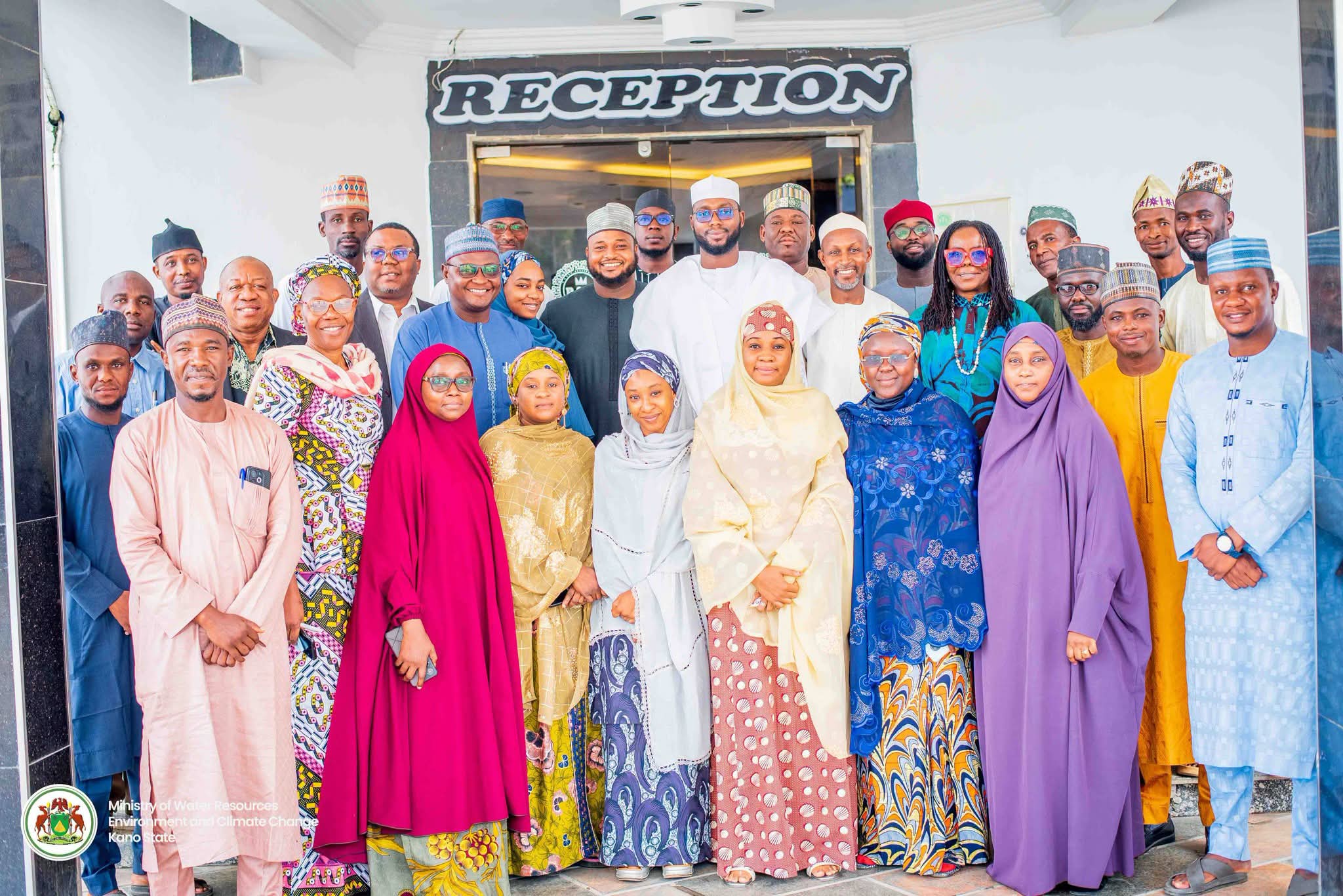
At a training held in Kano on Monday, the state government, working with the United Nations Industrial Development Organization (UNIDO), the European Union, and the Federal Ministry of Environment, brought together experts and stakeholders to focus on how to safely manage waste from solar and other renewable energy systems.
- Kano Govt Trains Livestock Officers on Vaccination, Digital Data Collection
- REMASAB, Ministry of Environment Lead Clean-up Ahead of World Environment Day 2026
Declaring the training open, the Commissioner for Water Resources, Environment and Climate Change, Dr. Dahiru Muhammad Hashim, said the move shows Kano’s commitment to building a cleaner and more sustainable future.
He explained that while renewable energy is growing fast across Nigeria, there must also be proper plans for handling waste from used equipment like solar panels, batteries, and inverters.

“The success of the clean energy transition will not only be judged by how many solar systems we install, but by how well we manage them when they reach the end of their life,” Dr. Hashim said.
The two-day training focuses on improving data systems and building the capacity of institutions to track and manage renewable energy waste, especially off-grid equipment widely used in homes and rural communities.
Dr. Hashim also highlighted ongoing efforts by the Kano State Government to strengthen environmental protection. These include new climate policies, better waste management systems, and projects aimed at restoring the environment.
“Kano is ready to work closely with its partners to develop recycling systems, strengthen environmental data, and build a strong circular economy,”
“We have shown commitment, and we are prepared to lead by example in Northern Nigeria.”
Among other initiatives, the state plans to plant 10 million trees this year, revive the Dorayi Compost Plant, improve waste collection systems, and develop a major Circular Economy Industrial Cluster in Gabasawa.
Participants at the training were encouraged to use the opportunity to build partnerships and turn knowledge into action that will support Nigeria’s transition to cleaner energy and a healthier environment.
With growing attention on climate change and sustainability, Kano’s efforts signal a strong push toward balancing development with environmental responsibility.